
Understanding the psychological triggers that keep gamblers at the table
The Allure of Instant Gratification
One of the most powerful psychological triggers for gamblers is the allure of instant gratification. This phenomenon is deeply rooted in human behavior and is fueled by the immediate rewards associated with winning. The thrill of hitting a jackpot or winning a hand can stimulate the brain’s reward system, releasing dopamine and creating a feeling of euphoria. As you navigate through this experience, you might find that apple pay betting sites can enhance the convenience of your betting journey. Gamblers may find themselves continuously seeking this rush, compelling them to stay at the table longer than intended.
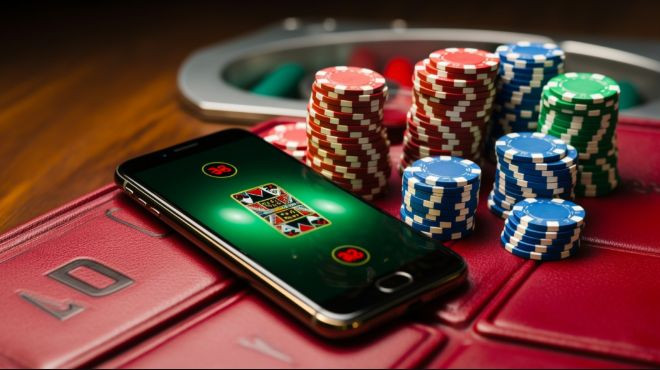
Moreover, the design of casinos and gaming establishments amplifies this psychological effect. Bright lights, engaging sounds, and the ambiance of excitement create an environment where time seems to stand still. Gamblers are often immersed in these sensory experiences, which distract them from the reality of losses or the passage of time. As a result, they may lose track of their initial goals and find themselves entrenched in the gaming experience.
This need for immediate satisfaction can lead to a cycle of behavior where players believe that winning is just around the corner. They often think that the next spin or card drawn could change their fortunes, leading them to chase losses in a continuous loop. This mindset can keep gamblers returning to the table, driven by the hope of a forthcoming win that offers a temporary escape from everyday life.
The Role of Cognitive Dissonance
Cognitive dissonance plays a significant role in gambling behavior, particularly in the way individuals rationalize their losses. When players experience a losing streak, they often engage in mental gymnastics to convince themselves that their luck will soon change. This internal conflict—between recognizing the reality of losses and holding on to the hope of future wins—can lead them to stay at the table longer in pursuit of recouping their losses.
For many gamblers, the belief that they are “due” for a win can be incredibly powerful. This perception of being on the brink of a winning streak often clouds their judgment, leading to poor financial decisions. They may ignore logical reasoning or advice from friends and family, convinced that their next bet will turn the tide. This form of cognitive dissonance reinforces their gambling behavior, as they cling to the idea that perseverance will eventually yield positive results.
This psychological mechanism is often exacerbated by the gamification elements within gambling environments. Features such as loyalty programs, bonuses, and rewards encourage players to continue playing despite their losses. By providing small wins or incentives, casinos can keep players engaged, thus reinforcing their belief in the eventuality of a larger win. This can trap them in a cycle of continuous play and financial expenditure.
The Impact of Social Influences
Social influences significantly affect gambling behavior, serving as another psychological trigger. The presence of peers at the gambling table can enhance the thrill of the game, creating a communal atmosphere that amplifies excitement. Many gamblers feel a sense of belonging or camaraderie while playing, which can make it harder to walk away. This social aspect can turn gambling into a shared experience, where the highs and lows are collectively celebrated or commiserated.
Additionally, the portrayal of gambling in popular culture—through movies, television shows, and social media—often glamorizes the lifestyle associated with gambling. This representation can create unrealistic expectations about winnings and the lifestyle that comes with them. Gamblers may feel pressured to conform to these ideals, perpetuating their play in hopes of achieving a similar glamorous lifestyle.
Peer pressure can also exacerbate the tendency to gamble, especially in social settings where gambling is a common activity. Individuals may feel compelled to join in for fear of missing out or being judged. This social validation, combined with the thrill of the game, can lead to prolonged play and increased financial risk. As gamblers seek acceptance and affirmation from their peers, they may find it increasingly difficult to make rational choices about when to stop.
The Illusion of Control and Superstitions
The illusion of control is a psychological phenomenon where individuals believe they have the ability to influence the outcome of random events. Many gamblers feel they can predict or affect the results of games through their actions or strategies, even though these outcomes are entirely based on chance. This belief can lead to a false sense of security, prompting gamblers to stay at the table longer than they should as they chase the illusion that they can control their luck.
Superstitions also play a crucial role in gambling behavior. Many players adopt rituals, such as wearing lucky clothing or performing specific actions before placing a bet, believing these behaviors will improve their odds. These rituals can create a psychological comfort that reinforces their gambling habits, leading them to return to the table repeatedly to maintain their supposed “lucky” streak. This combination of believing in personal influence and relying on superstitions can prolong the gambling experience and increase financial risk.
The drive to find patterns in random outcomes can also fuel excessive gambling. When players win, they may attribute their success to their choices, reinforcing their belief in their skill or strategy. Conversely, losses can be rationalized as mere bad luck, allowing them to maintain a hope for future wins. This cycle of belief can keep gamblers engaged in the activity, continuously feeding their desire to play and search for that elusive win.

Comprehensive Resources for Gamblers
As the complexities of gambling psychology become clearer, it’s essential for players to have access to comprehensive resources that can guide them through their gambling journey. Understanding the psychological triggers that compel individuals to stay at the table is crucial for making informed decisions. Knowledge empowers gamblers, helping them recognize harmful patterns and encouraging responsible gambling practices.
Many platforms offer valuable insights into gambling behavior, including tips for setting limits and recognizing when it’s time to walk away. These resources can help players understand the importance of self-awareness and the benefits of seeking help when necessary. For beginners, these tools are vital for developing healthy gambling habits and fostering a responsible relationship with gaming.
By providing expert evaluations of gambling sites, responsible gaming strategies, and information on the psychological aspects of gambling, players can make informed choices. This ensures that their gambling remains an enjoyable activity rather than a compulsive behavior. Embracing knowledge and understanding will significantly enhance the overall gambling experience, promoting a safer and more enjoyable environment for all.